Bachelor of Engineering in Aeronautics and Astronautics
at University of Southampton - Boldrewood Innovation Campus United Kingdom

Overview
Learn to design future aircraft, race cars, satellites and rockets, and take your engineering passion to new heights. Our astronautics and aeronautics undergraduate degree covers advanced aerospace engineering. You'll learn how to design and manufacture fast-moving aircraft in the Earth’s atmosphere and outer space.
The course looks at the science, engineering and manufacture of aircraft, jet engines, race cars and spacecraft. You'll learn how they operate within our atmosphere and in space. Your degree will be aligned to the UK Space Agency Civil Space Strategy.
You'll study the principles of aerospace engineering including aerodynamics, astronautics and propulsion. You'll also explore the economic, legal and environmental issues around aircraft and spacecraft. You'll get hands-on experience in extensive facilities, which include:
- Dedicated student design studios and workshops
- The largest wind tunnel in any UK university
- State-of-the-art space propulsion facilities
- Jet laboratory with supersonic ramjet, turbojet and rocket engine
- Boeing flight simulator
- Professional manufacturing centre
As part of this astronautics and aeronautics BEng degree you can:
- Take part in practical design modules in every year of your degree
- Design, build and test aircraft, spacecraft and their wider components
- Take part in a flight-testing course, on board a flying laboratory aircraft
- Showcase your work in our annual Engineering Design Show
- Attend site visits to experience engineering in practice
You can take this course with an additional year-long, paid placement. Apply with UCAS code H40P for the Industrial Placement Year option.
30
Application Processing Days
Under Graduate
Program Level
Fact & Figures
Full Time On Campus
Study Mode
36
Duration
University of Southampton - Boldrewood Innovation Campus
Location
Bachelor of Engineering in Aeronautics and Astronautics Assistant Fee
$23720
Tuition Fee
$0
Average Cost of Living
$0
Application Fee
Bachelor of Engineering in Aeronautics and Astronautics Admissions Requirements
-
Minimum Level of Education Required: To be accepted for this program, students must have Standard XII Higher Secondary Certificate.

Get superfast admissions at top Bachelor of Engineering in Aeronautics and Astronautics institutes in 2024
Benefits of choosing

➤Admission’s guaranteed at Top institutes across the world.
➤Enjoy exclusive application fee waiver’s with Edmissions.
➤Unlimited FREE Counselling sessions with Edmission’s
Experts
➤Get Tips from industry veterans to crack the IELTS exam in 1
week.
➤Assistance with scholarships, loans, forex, student accommodation and visa guidance.
Work Permit United Kingdom
There are various options through which a student can get a post study work visa in the UK.
Tier 1 Graduate Entrepreneur Visa for the graduates with a genuine and credible business idea.
Tier 2 (General) is the leading immigration visa to work in the UK.
Tier 4 Doctorate Extension Scheme is for students who have completed their Ph.D. and is valid for 12 months for them to work, look for work or set up a business.
Tier 5 Youth Mobility is for individuals of certain countries like Australia, Canada, Japan, Monaco, Hong Kong, South Korea, Taiwan, and New Zealand aged between 18 -30 who wish to move to the UK.
Tier 5 GAE is for individuals who want to come to the UK for work experience, training, research or a fellowship.
UK Ancestry is for individuals who are a citizen of a commonwealth and plan to work in the UK and have a grandparent who was born in the UK.
Detailed Program and Facts
30
Application Processing Days
Full Time On Campus
Program Intensity
Under Graduate
Program Level
36
Duration
Study Visa
Other Courses by University of Southampton - Boldrewood Innovation Campus,United Kingdom
Engineering & Technology
Master of Engineering in Aeronautics and Astronautics / Materials and Structures
Learn about the materials used in aircraft and spacecraft, why they’re chosen, how they behave and why they sometimes fail. You’ll study the design and manufacture of fast-moving aircraft and spacecraft, then specialise in their materials, structures and analysis. MEng Aeronautics and Astronautics / Materials and Structures prepares you for a career in engineering design or further research.
Aeronautics and Astronautics looks at the science, engineering and manufacture of aircraft and spacecraft. On our aeronautical engineering courses you'll learn how they operate within our atmosphere and in space.
You’ll study the principles of aerospace engineering, then take more advanced modules in materials, construction and testing to learn about aeronautical and manufacturing engineering.
In year 3 you will do an individual research project. In year 4 you’ll take part in a group design project.
You’ll get hands-on experience in our extensive facilities, which include:
- Dedicated student design studios and workshops
- The largest wind tunnel in any UK university
- New testing and structures research laboratory, part of the £48m National Infrastructure Laboratory
- Jet laboratory with supersonic ramjet, turbojet and rocket engine
- Professional manufacturing centre
As part of this course you can:
- Showcase your work in our annual Engineering Design Show
- Attend site visits to experience engineering in practice
- Apply your engineering knowledge to solve a real-world problem
You can take this course with an additional year-long, paid placement. Apply with UCAS code H44H for the Industrial Placement Year option.
48 month
Duration
$ 23720
Tuition
Engineering & Technology
Master of Engineering in Aeronautics and Astronautics / Spacecraft Engineering
Take your engineering abilities to the final frontier of human endeavour. You’ll explore many aspects of aerospace engineering, including the design and manufacture of fast-moving air and space vehicles. You'll then specialise in spacecraft systems engineering, to prepare you for a career in the space industry and beyond.
Aeronautics and Astronautics looks at the science, engineering and manufacture of aircraft and spacecraft. You'll learn how they operate within our atmosphere and in space.
On this spacecraft engineering degree you’ll study the general principles of aerospace engineering, then take more advanced modules specialising in the design and operation of spacecraft, and their environmental impact.
In year 3 on MEng Aeronautics and Astronautics with Spacecraft Engineering you'll complete an individual research project and in year 4 you’ll participate in a group design project.
You’ll have access to our extensive facilities, which include:
- Dedicated student design studios and workshops
- The largest wind tunnel in any UK university
- State-of-the-art jet engine and space propulsion facilities
- Flight simulator
- Professional manufacturing centre
As part of this aeronautics and astronautics spacecraft engineering course you can:
- Showcase your work in our annual Engineering Design Show
- Attend site visits to experience engineering in practice
- Apply your engineering knowledge to solve a real-world problem
You can take this course with an additional year-long, paid placement. Apply with UCAS code H400 for the Industrial Placement Year option.
48 month
Duration
$ 23720
Tuition
Engineering & Technology
Master of Science in Civil Engineering
Discover how to help the world develop resilience to increasing urbanisation, climate change and natural disasters, on this MSc Civil Engineering.
The course is ideal if you’re a civil engineering graduate interested in boosting your career prospects. You'll learn the skills to solve problems in building design, water supply, infrastructure, structural and bridge engineering, geotechnical engineering, and earthquake engineering.
You may also have an opportunity to complete a research project whilst undertaking an industrial placement.
You’ll gain a sound understanding of civil engineering design and applications through core and specialist modules covering:
- Coastal and maritime engineering
- Hydraulics
- The environment
- Infrastructure
- Transport
- Management
Depending on your module choices you can develop different skills. For example, during our structural engineering modules you'll learn how to use industry standard finite element analysis software. This is important for the design of structures and foundations in other modules.
If you live in the UK or EU you'll have the option to take the MSc with an 11 month industrial placement. You'll carry out the latest applied research on real projects, whilst working with major civil engineering companies and research centres.
This degree is accredited as meeting the requirements for Further Learning for a Chartered Engineer (CEng) for candidates who have already acquired a partial CEng accredited undergraduate first degree. Learn more about accreditation on the Joint Board of Moderators website.
12 month
Duration
$ 26000
Tuition
Engineering & Technology
Master of Engineering in Civil Engineering
Civil engineering is essential to the development of our society, from planning to construction. Our 4-year, integrated master's course goes beyond the 3-year degree, and lets you specialise in an area of your choosing. You'll develop the design, management and teamwork skills that employers look for. Major engineering companies often get involved in our group design projects.
This MEng Civil Engineering course follows the BEng Civil Engineering degree for the first 3 years. In the fourth year, you can choose to focus on specialist topics, including:
- Coastal and maritime engineering
- Earthquake engineering
- Bioenergy
- Transport modelling
- Waste resource management
- Architectural acoustics
The group project in year 4 lets you apply your conceptual engineering and scientific knowledge to an engineering design problem. As a team you’ll develop an idea through detailed design, experimentation, computer modelling and manufacture. Our Design Show blog has examples of our students’ design work.
You'll have access to our extensive facilities, including:
- National Infrastructure Laboratory
- Professional manufacturing centre
- Hydraulics and geotechnics labs
- Heavy structures facilities
As part of this course you can:
- Apply analytical techniques and problem-solving skills to engineering problems
- Develop technical skills, such as computer-aided design (CAD), model-making, surveying and computer programming
- Take part in the Constructionarium challenge, where teams build scaled-down versions of famous structures
- Showcase your work in our annual Engineering Design Show
You can take this course with an additional year-long, paid placement. Apply with UCAS code HH20 for the Industrial Placement Year option.
48 month
Duration
$ 23720
Tuition
Engineering & Technology
Master of Engineering in Mechanical Engineering / Engineering Management
Learn to take an engineering project from concept to completion. On this course, you'll study core mechanical engineering skills, but also more technical topics associated with mechanical engineering management. You'll specialise in managing people, processes and finances. This 4-year integrated Masters degree will prepare you for an exciting, rewarding and well-paid engineering career.
This specialist course combines topics in mechanical engineering and management to give you a well-rounded experience. The first 2 years follow the same content to our degree in mechanical engineering. In the third and fourth years, you'll develop the technical skills to understand, design and manufacture new products. You'll then specialise in management skills, and learn to:
- Assess and manage risk
- Apply industrial law
- Manage resources and people
- Work on time and to a budget
As part of this course you can:
- Use our design workshops and studios
- Take a work placement to boost your academic performance and prepare for your career
- Showcase your work in our annual Engineering Design Show
- Complete both an individual project and a final-year, group design project
- Go on site visits to experience engineering in practice
You can take this course with an additional, year-long, paid placement. Apply with UCAS code HH31 for the Industrial Placement Year option.
We're a designated university for the Defence Technical Undergraduate Scheme (DTUS).
48 month
Duration
$ 23720
Tuition
Engineering & Technology
Master of Science in Sustainable Energy Technologies
This Sustainable Energy Technologies MSc offers an introduction to current and modern energy technologies for sustainable power generation. You’ll gain expertise and practical skills in areas of energy research including photovoltaics, fuel cells, energy storage and batteries, combustion, electrical power systems, and wind, wave and tidal energy.
Sustainable energy technologies need to meet a range of criteria across economic, social and environmental metrics.
This master’s course will give you an understanding of sustainable energy systems, resources and usage. You’ll learn to design and assess the performance of fuel cells and photovoltaic systems, wind power and hybrid propulsion systems. You’ll also learn how thermo-fluid engineering processes can be used for the production of low-carbon energy.
You'll also look at other renewable technologies and have the option to undertake a range of specialist modules, covering subjects such as waste resource management to bioenergy.
Under the guidance of world-class experts, you’ll have the chance to put theoretical and practical skills to the test as you undertake a piece of independent research culminating in a dissertation.
12 month
Duration
$ 26000
Tuition
Engineering & Technology
Master of Science in Maritime Engineering Science - Marine Engineering and Autonomy
On this Marine Engineering and Autonomy MSc degree you'll learn about component and systems engineering for ships. You’ll also gain an understanding of the fixed and offshore structures that help them to function. Learn the skills you need to become a specialist in the marine sector.
On this UK master’s course you’ll gain an advanced understanding of the fundamental principles, methods and applications of maritime engineering science.
This pathway focuses on the analysis and specification of marine engineering and autonomous systems used on board ships and other marine structures. You’ll study topics like electrical theory, thermodynamics, and engine and machine tribology.
You’ll explore the marine engineering systems found on board merchant and naval vessels and their importance to ship design. This includes performance characteristics of diesel engines, steam and gas turbines and electric propulsion. The course covers the dynamic response of the main shaft and associated components.
An introduction to auxiliary systems includes:
- Heating
- Ventilation and air-conditioning
- Refrigeration
- The main fuel system
You’ll also learn about propeller-engine matching and a selection of appropriate machinery configurations.
Your optional study topics include a chance to study the principles of photovoltaics, fuel cells and batteries, where you’ll learn about:
- Electrochemical routes to energy conversion
- The relative merits of batteries, fuel cells and redox flow cells
- Solar radiation as an energy source
- Solar cell operation and manufacture
- Design and operation of a photovoltaic system
Throughout your studies, you’ll learn how to solve engineering problems by taking account of social, technical, economic and environmental constraints.
12 month
Duration
$ 26000
Tuition
Engineering & Technology
Master of Engineering in Civil Engineering and Architecture
Combine civil engineering with architecture, and discover their importance for developing sustainable, urban areas. If you're following a career in structural engineering design, this course is for you. You'll focus your studies on structures, materials and construction processes. You’ll learn key design and manufacturing skills and gain a solid understanding of both subjects.
The first 2 years of this MEng Civil Engineering and Architecture degree are the same as our other civil engineering courses. You'll cover mechanics, materials, thermofluids and construction management. In the third year you’ll specialise in civil engineering with a focus on urban design.
You'll put architectural principles into practice through design projects. These are taught by structural engineers and architects, and include:
- An architectural group project, to design a complex building in an urban area
- An individual architectural engineering project of your choice
- Our Design Show blog has examples of our students’ design work.
You'll have access to our extensive facilities, including:
- National Infrastructure Laboratory
- Professional manufacturing centre
- Hydraulics and geotechnics labs
- Heavy structures facilities
As part of this course you can:
- Apply analytical techniques and problem-solving skills to engineering problems
- Develop technical skills, such as computer-aided design (CAD), model-making, surveying and computer programming
- Take part in the Constructionarium challenge, where teams build scaled-down versions of famous structure
- Showcase your work in our annual Engineering Design Show
You can take this course with an additional year-long, paid placement. Apply with UCAS code K21K for the Industrial Placement Year option.
48 month
Duration
$ 23720
Tuition
Engineering & Technology
Master of Science in Maritime Engineering Science - Naval Architecture
Develop in-depth knowledge of maritime engineering science on this master’s course at the University of Southampton. You’ll learn about the design and analysis of marine craft and structures in the marine environment, and gain specialist understanding of the key areas of naval architecture.
Each one gives a broad overview of the key concepts of maritime engineering science while allowing you to pursue your own interests or career plans by focusing on a particular area.
It's ideal if you have an engineering, science or maths background and want a career in the maritime sector. You don’t need to have specialist knowledge of ship science already – we'll teach you what you need to know.
On this course you’ll take specialist modules allowing you to explore the key concepts of naval architecture, such as:
- Resistance and propulsion
- Maritime structure
- Manoeuvring
- Hydrodynamics
- Materials
You’ll also undertake an experimental or numerical research project, and benefit from our Southampton Marine and Maritime Institute research network and our world-class maritime engineering facilities, including the largest towing tank in a UK university.
12 month
Duration
$ 26000
Tuition
Natural Sciences & Mathematics
Master of Science in Aerodynamics and Computation
Our MSc Aerodynamics and Computation degree focuses on numerical methods and the physics and computation modelling of turbulence. It will enhance your knowledge of flow physics and your ability to use state-of-the art computational tools to improve industrial designs. This course is ideal if you’re an engineering, maths or science graduate with a strong background in fluid dynamics or aerodynamics.
This degree will prepare you for a career in industrial research and development, or ongoing postgraduate research.
You’ll take part in individual and group practical work as well as a critical research project, developing your expertise in aerodynamics.
You’ll examine current trends and challenges and engage in discussion and research on critical issues in the field. You'll also develop your ability to use experimental and advanced computational methods, such as particle image velocimetry (the measurement of the velocity of fluids), finite volume method and high-order finite difference methods
Research projects are often linked to our current research activities, or supported by industry or government funding bodies. Past students have undertaken research projects such as:
- The investigation of the installation effects on the noise of Dyson high-spend fans
- Aerodynamic load estimation from particle image velocimetry
- Morphing wings aircraft modelling
You’ll benefit from state-of-the-art facilities including high-performance computers and the RJ Mitchell Wind Tunnel, the largest university wind tunnel in the UK. Recent graduates have gone on to work at organisations such as Dyson and Rolls-Royce.
12 month
Duration
$ 26000
Tuition
View All Courses by University of Southampton - Boldrewood Innovation Campus, United Kingdom
Top Study Abroad Exams
Popular Universities to Study Abroad
- University of Waterloo
Waterloo
- University Canada West
Vancouver
- University of Windsor
Windsor
- Cape Breton University
Sydney
- Dalhusie University
Halifax
- Carleton University
Ottawa
- University of Ottawa
Ottawa
- University of Guelph
Guelph
- Explore more colleges in Canada
- University of New Haven
West Haven
- Kent State University
Kent
- Wright State University
Dayon
- San Jose State University
West Haven
- Clark University
Worcester
- Rowan University
Glassboro
- Golden Gate University
San Francisco
- Arkansas
San Francisco
- Explore more colleges in USA
- Coventry University
Coventry
- University of Birminghame
Birminghame
- De Montfort University
Leicester
- Cardiff University
Cardiff
- BPP University
London
- University of West London
London
- University of Nottingham
Nottingham
- University of Warwick
Coventry
- Explore more colleges in UK
- Auckland Institute Of Studies
Auckland
- Massey University - Auckland Campus
Albany
- Eastern Institute of Technology - Auckland Campus
Auckland
- NorthTec - Auckland Campus
Auckland
- Massey University - Manawatu Campus
Palmerston North
- University of West London
London
- Wellington Institute of Technology (WelTec) - Petone Campus
Lower Hutt
- Otago Polytechnic - Dunedin Campus
Dunedin
- Explore more colleges in New Zealand
- Chandigarh University
Mohali
- Parul University
Vadodara
- Sharda University
Greater Noida
- Jain University
Bangalore
- Bennett University
Greater Noida
- Lovely Professional University
Phagwara
- Chitkara University
Rajpura
- Brainware University
Kolkata
- Explore more colleges in India
- Abu Dhabi University
Abu Dhabi
- Gulf Medical University
Ajman
- New York University
Abu Dhabi
- Emirates Aviation University
Dubai
- Higher Colleges of Technology
Dubai
- British University in Dubai
Dubai
- Al Ghurair University
Dubai
- American University in the Emirates
Dubai
- Rochester Institute Of Technology Dubai
Dubai
- Emirates Academy of Hospitality Management
Dubai
- American University of Ras Al Khaimah
Ras Al Khaimah
- Explore more colleges in UAE
- Ras Al Khaimah Medical and Health Sciences University
Ras Al Khaimah
Explore Colleges and Courses in United Kingdom
- Arts & Humanities in uk
- Business & Management in uk
- Natural Sciences & Mathematics in uk
- Engineering & Technology in uk
- Computer Science & IT in uk
- Health Sciences, Nursing and Emergency Services in uk
- Social Sciences in uk
- Creative Arts & Design in uk
- Hospitality, Tourism, Wellness Leisure & Sports in uk
- Environmental Studies & Earth Sciences in uk
Latest Blog Posts



UK
2024-02-05 08:53:40
1925 Views
What is the CAS Letter UK?

UK
2024-01-15 07:30:32
1147 Views
Top 10 universities in UK 2024 by Times Higher Education (THE) World University Rankings
UK
2023-10-13 10:30:00
1153 Views
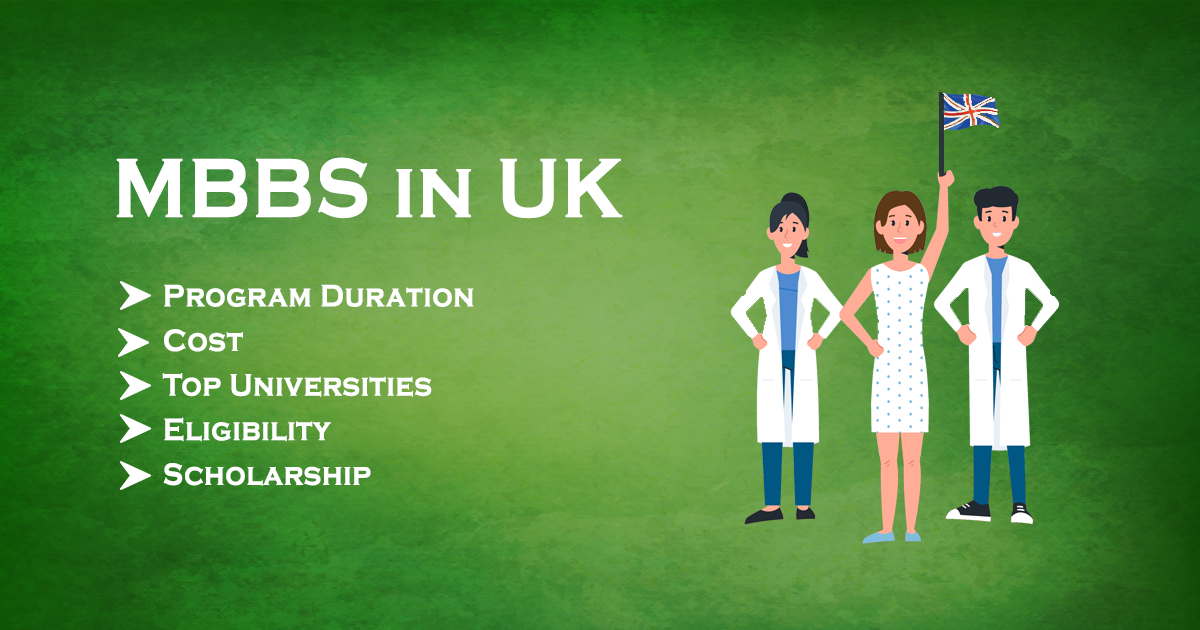
MBBS in UK: Program Duration, Cost, Top Universities, Eligibility, Scholarship
Trending Blog Posts



Tips and tricks
2022-08-19 04:34:00
457300 Views
CGPA Calculator - How to Convert CGPA to Percentage?

USA
2022-07-29 05:32:00
143582 Views
Spring Intake in USA 2024: Deadline & Universities

Exam
2023-01-03 11:30:18
195115 Views
IELTS Speaking Cue Cards Topics & Samples with Answers 2024

Search, Shortlist, Apply and get accepted! It’s that Simple to pursue your dream to Study abroad with Edmissions. Our team of experts provide you the right guidance that helps you to take admission in your dream college in countries like Canada, the USA, the UK
© 2021-2024 Edmissions - All rights reserved.


TALK TO OUR EXPERTS